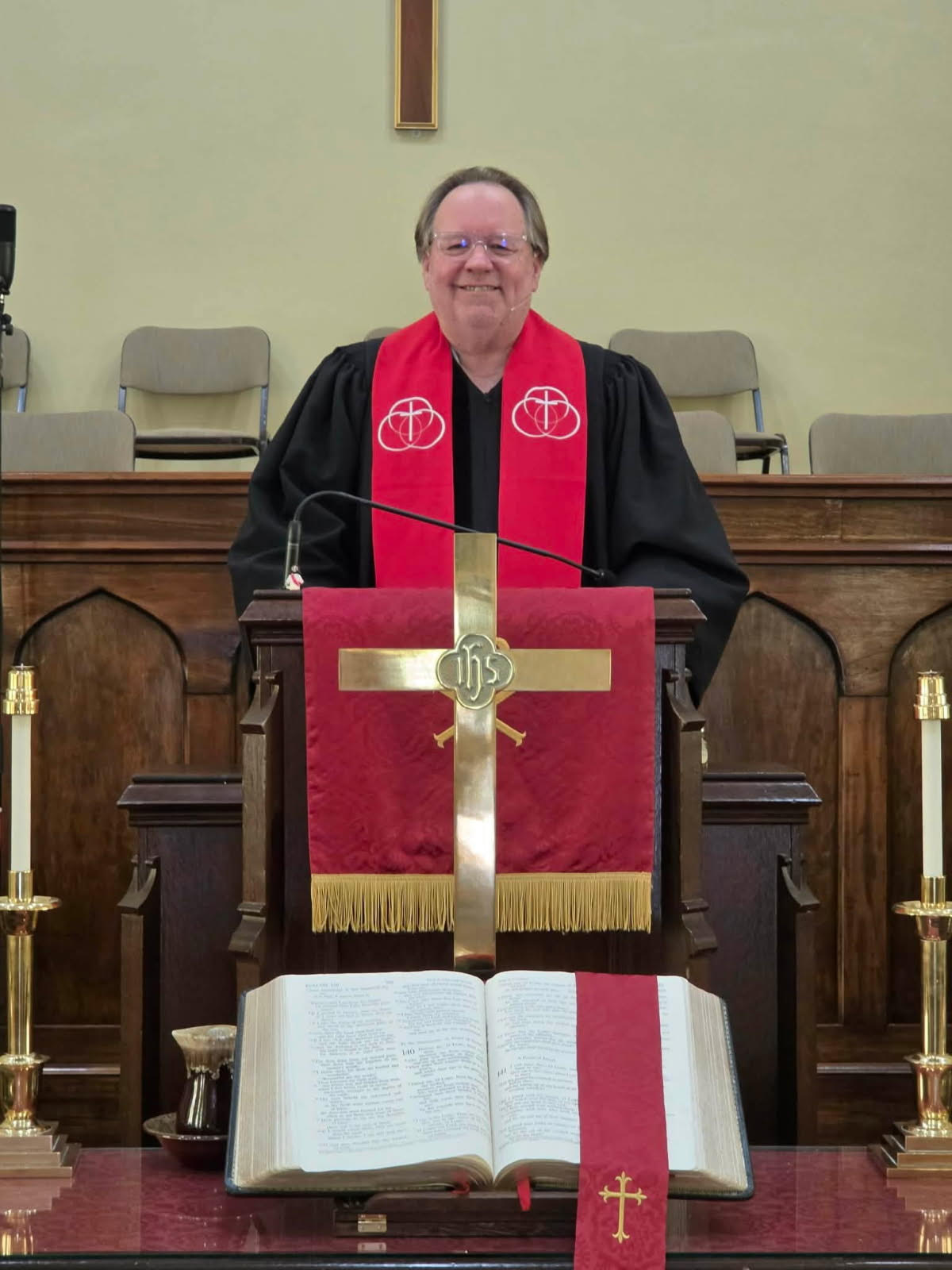
Sermon Series – “Our Summer in Rome”
Romans 9:1-5
“Pulling No Punches”
A man said to a friend, “I hear you dismissed your pastor. What was wrong?” The friend said, “Well, he kept telling us we’re all going to hell.”
The first man then asked, “What does the new pastor say?” The friend replied, “The new pastor says we’re going to hell, too.”
“So, what’s the difference?” asked the first man. “Well,” said the friend, the difference is that when the previous pastor said it, he sounded like he was glad about it; but when the new man says it, he sounds like it is breaking his heart.”
That’s what Paul is saying in our lesson this morning. It’s breaking his heart that he has to say harsh things to and about nonbelievers, especially those among his fellow Jews.
The story of the God of creation, the God of Abraham, Isaac, and Jacob, the God and Father of our Lord Jesus Christ, is the true story of the whole world. It’s everyone’s story. There is no other true story.
God raised up the people called Israel to declare and demonstrate this, the true story of history and eternity, of the heavens and the earth, for the blessing of the whole world and the glory and praise of God. They are the chosen stewards of this story.
Unfortunately, [largely because of their leaders] the people called Israel are actively rejecting Jesus of Nazareth as the Jewish Messiah and Savior of the world. This is hitting Paul with blunt force. The grief overwhelms him because their rejection of Jesus can be compared to a rejection of not only the whole story of God but of God Himself.
The entire purpose of Israel, the people of God—to declare and demonstrate the story of creation and redemption for the salvation of the world and the glory of God—is on the brink a terrible ending. Paul sees the finish line finally in sight for his beleaguered people, this long-game nation, and they are falling own in the final stretch. He can’t take it. He’s willing to pay the ultimate price for the team.
Jesus dealt with much of the same issues in His ministry. Mark 12 begins with, “Jesus then began to speak to them in parables.” The first parable is a story about a man who built a vineyard. He rents the vineyard to some farmers and at harvest time he sends servants to collect some of the fruit of his vineyard, but the farmers or tenants killed the servants. After sending many servants with the same results he decides to send his son, who he thinks they will respect; but they didn’t. They killed his son and threw him into the vineyard.
Jesus asked the question, “What then will the owner of the vineyard do? He will come and kill those tenants and give the vineyard to others.” It’s at this point that the chief priests, the teachers of the law and the elders looked for a way to arrest him because they knew he had spoken the parable against them.
Romans 9 comes to grips with the central issue: How could God reject Israel after having once selected her? Obviously, this issue gives Paul great pain as it has Jesus before him.
Paul described God’s choosing of Israel in the Old Testament as adoption. Theirs was the adoption—the positions as sons and daughters of God. They had the glory—God’s visible appearance in their midst. They had been given the covenants—God’s special, oath-bound agreements relating to salvation and well-being—were theirs. The law was given to them to guide and instruct them in the way of life. They had divinely instituted orders of service with which to worship God properly. And the promises of God belonged to them.
Paul expressed concern for his fellow Jews by saying that he would willingly take their punishment if that could save them. While the only one who can save us is Christ. Paul showed a rare depth of love. Like Jesus, he was willing to sacrifice his life for others. How concerned are you for those who don’t know Christ? Are you willing to sacrifice your time, money, energy, comfort, and safely to see them come to faith in Jesus?
I made a trip this week to visit my mom in her new residence in Indiana. It’s a marvelous place and the staff goes out of their way to make her feel welcome. With her dementia and her short-term memory loss she asks questions over and over because she can’t remember asking them. But her long-term memory is spot on. We had several discussions this week about family and events from the past; and I took her for a ride back to my hometown where we visited the cemetery and rode through the fairgrounds where the county fair started this weekend. The fair was always a special place for our family. We spent a lot of time going down memory lane and the memories of our family.
Paul is dealing with a family issue. The high point of their family history should have been the coming of the long-awaited Messiah, who was born a Jew and came first to the Jews.
His coming presents the Jews with a choice. They either believe in the Messiah and follow His instructions, or they might turn their backs on Him. By the time of Paul, the decision had largely been made. The majority of Judaism had turned away from Christ—thrown Him out of their family, so to speak.
This rejection is the source of Paul’s sorrow and anguish, as it is for us that we have family members and friends who reject Jesus. We aren’t Jews or former Jews, as many of the people of the church in Rome were. They are Israelites, those who have the name of the favored people of God. We are Christians; we usually focus on Christ as the center of our lives, and we bear the name of the Son of God.
To all of us, both the Jews and we Christians, we face an important choice. Will we accept what God has promised us? Will we accept our adoption as children of God? Will we be a part of the family of Christ? May we not suffer from great sorrow and unceasing anguish in our hearts as Paul was forced to deal with. Amen and Amen!
 Eastman First Methodist Church